Concrete driveway building in Hayward CA - a slab built for what you park on it
Driveway sunk, cracked or holding water? We build a concrete driveway on a packed, sloped base that sends water away from your house.
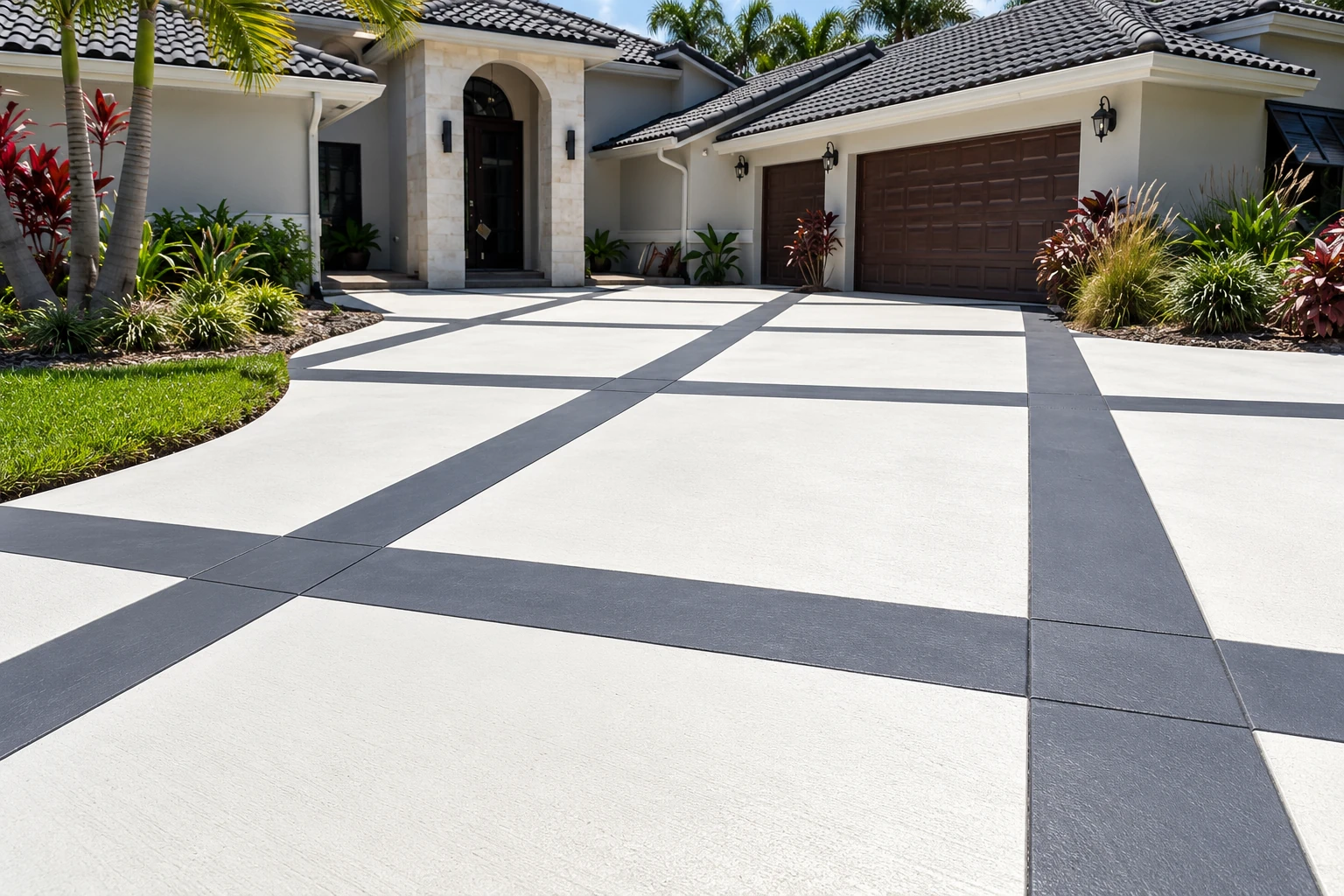
Most calls we get for concrete driveway building in Hayward start with a driveway that's sunk, cracked across or holding water against the garage. Good Form Hayward Concrete builds new ones here and in many of the cities around it. Concrete driveways often last more than 30 years, so I'd rather settle the thickness, the steel and the base with you up front.
The price moves with the size, the thickness, how much steel goes in and whether an old driveway has to come out first. The schedule turns on the tear-out, any permit for work at the street and curing, the days new concrete needs to harden before a car can sit on it. My written estimate spells out the prep, the steel and the joints, and if you want a concrete patio beside it, we build those the same way.
How we build a concrete driveway
- Thickness set by what parks there. The first thing I ask is what's going to park on it, because that's how we settle the thickness and the steel with you before anything gets formed.
- A packed base that drains. We dig out and pack the subgrade, the ground the slab sits on, to an even firmness, then set the forms so water runs away from your house.
- Joints cut on time. We cut control joints, shallow grooves that give the slab a straight line to crack along, while the concrete is still fresh, so cracks land there and not across the middle.
- Layout within Hayward's front yard rules. The city limits driveway and other paving combined to half the required front yard, and requires 20 feet of width in front of a two-car garage, so we lay yours out to fit.
- Our own crew, with me on site. I've run this business since 2013. Our own crew does the forming, pouring and finishing on your driveway, and I'm there on site running the work.
- Licensed and fully insured. We're licensed and fully insured. In California, the Contractors State License Board is the state agency that licenses and regulates contractors, concrete work included.
Why old driveways fail
| Problem | What it looks like | Usual fix |
|---|---|---|
| Sinking sections | What it looks like: Panels dropping, edges tipping and a lip at the garage or sidewalk | Usual fix: Tear out, dig out soft soil, pack and repour |
| Water pooling | What it looks like: Puddles that sit after rain, or water running toward the house | Usual fix: Repour with a slope away from the house |
| Cracks in random places | What it looks like: Cracks wandering across panels instead of following the cut lines | Usual fix: Replace with joints cut early in the right spots |
| Dusty, flaking top | What it looks like: Surface powdering, chipping or peeling, often from a pour in midday heat | Usual fix: Remove and repour early in the day |
| Broken under heavy vehicles | What it looks like: Crushed corners and cracks right where the truck or RV parks | Usual fix: Thicker slab with heavier steel under the load |
Choosing the slab, steel and finish
- Standard slab, wire mesh. Wire mesh is the usual steel for a driveway that carries everyday cars, and it suits most houses where the heaviest thing parked is an SUV or a minivan.
- Thicker slab, rebar. Rebar, steel bars tied in a grid, may be the better choice if a pickup, work truck or RV parks there, or the driveway sees a lot of traffic.
- Plain or stamped finish. A broom finish, a light texture dragged in for grip, suits most driveways. If you want stamped concrete on a tight budget, trim the finish, not the base, since the base keeps it flat.
How we plan and pour your driveway
- Call or send the form. Call (510) 264-7026 or send the form with a rough idea of the job, and we'll get back to you to set a time for me to come out.
- Site walk and estimate. I walk the site, ask what will park there and how you want it to look, then write an estimate that spells out the prep, steel and joints.
- Permits. Once you say go, we look into permits. Work in the street or public sidewalk needs the city's encroachment permit, which we file or walk you through.
- Forming and pouring. Our own crew digs out and packs the base, sets the forms and steel, then pours, finishes and cuts the joints before the concrete hardens too far.
- Walkthrough and clean-up. I walk the finished driveway with you, our crew hauls off the forms and debris, and I tell you when it's ready for your car.
Keeping your new driveway in good shape
What keeps a driveway sound after we leave is mostly what we did underneath, but you can help it along. Keep downspouts from dumping water at the slab's edge, keep heavy delivery trucks off the edges, and call us if a gap opens at the garage before water gets under it.
We're based in Hayward and build driveways for homeowners, rental owners and small commercial lots in many of the cities around it on both sides of the bay, including Castro Valley and San Leandro. Tell us what you're working with and ask for an estimate.
Tell us about your driveway
Send the driveway's rough size, what parks on it and any old paving to remove, and we'll get back to you within one business day to set a time.
(510) 264-7026- Free on-site estimate
- Prep, steel and joints in writing
- No obligation to go ahead
Driveway questions we hear most
How much does a concrete driveway cost in the Bay Area?
A concrete driveway in the Bay Area usually runs about $8 to $16 per square foot, going by one Bay Area cost guide, and that doesn't include tearing out an old driveway. The same guide prices reinforced concrete higher per square foot and removal separately. My written estimate lists each of those for your driveway.
How thick should a concrete driveway be in Hayward?
A Bay Area guide gives four to five inches as the standard thickness, which is typically enough for regular cars. If a truck or RV parks there, the same guide says you may want six to eight inches, which is why I ask what's going to park on it before we set the forms.
How long before I can drive on a new concrete driveway?
One trade group's guide says to keep vehicles off new concrete for at least 7 days. Plan on parking on the street or somewhere else for that first week, and I'll go over it with you at the walkthrough so nobody pulls in early.
Will my new concrete driveway crack like the old one?
It can still get a crack, because concrete shrinks and the ground moves, but where it cracks and how bad it gets is mostly down to the build. Steel limits how wide and severe cracks get rather than stopping them, so we also pack the base and cut joints to give any crack a straight line to follow.
How much can a contractor ask for as a down payment in California?
On a home improvement job, the state license board says the down payment can be no more than $1,000 or 10 percent of the contract price, whichever is less. After that, payments are listed in the contract and based on work already done or materials delivered to your home.